


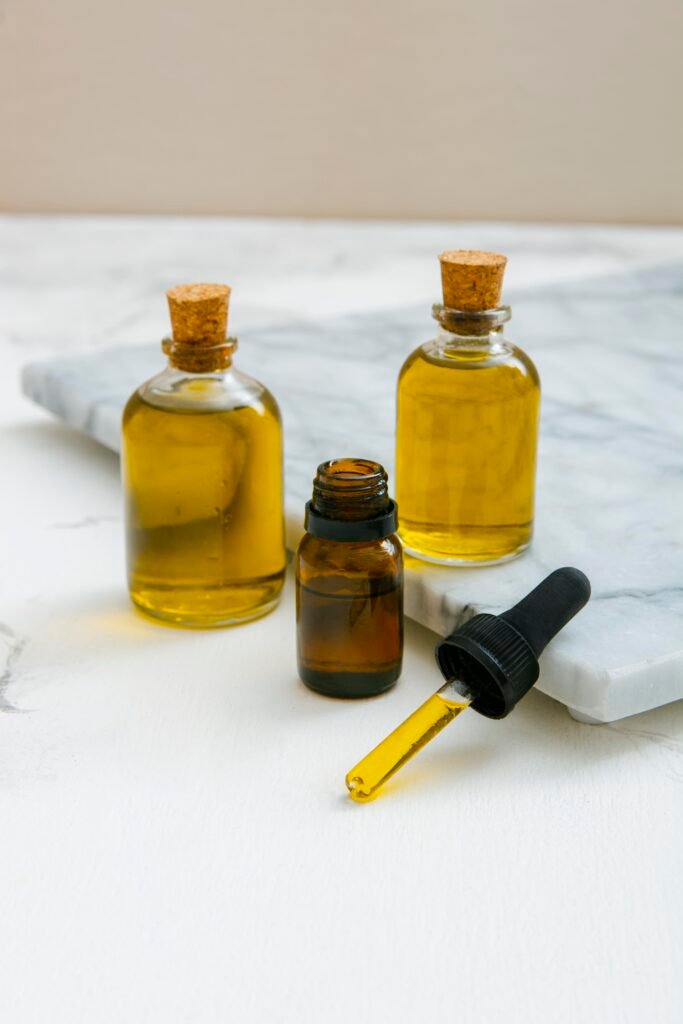
How to Make Perfume with Fragrance Oils. Complete UK Guide to Concentrations, Safety, and Blending
Creating your own perfume at home has become increasingly popular in the UK, especially among small business owners, hobbyists, and artisan crafters. With high-quality fragrance oils, the right tools, and an understanding of concentration levels, you can make professional-grade perfumes without the need for a laboratory. This guide explains everything you need to know: from choosing oils and diluents to measuring concentrations, blending techniques, and UK-specific rules to keep your creations safe and compliant.
In this guide
What Are Fragrance Oils?
Fragrance oils are aromatic blends created by combining natural extracts and synthetic aroma compounds. Unlike essential oils, which are purely plant-derived, fragrance oils offer wider scent options, better stability, and longer shelf life. They are ideal for crafting UK-standard perfumes because:
-
They are more consistent across batches
-
They offer greater scent variety
-
They tend to last longer on the skin
-
They are usually more affordable
-
They perform well in alcohol-based and oil-based perfumes
When buying fragrance oils in the UK, look for suppliers that provide IFRA certificates, allergen reports, and safety data sheets. Reputable brands include The Soap Kitchen, Freshskin Beauty, and Plush Folly.
Choosing Your Perfume Base: Alcohol or Oil?
To turn fragrance oil into a wearable perfume, you need a carrier. In the UK, two main bases are used:
1. Perfumer’s Alcohol
This is the most common base for traditional perfumes. It evaporates quickly, helping the fragrance disperse into the air.
Ideal for: spray perfumes, colognes, and eau de parfum.
2. Carrier Oils
Jojoba oil, fractionated coconut oil, and sweet almond oil are the most popular choices for oil-based perfumes.
Ideal for: roller bottles, solid perfumes, and people with dry or sensitive skin.
Oil-based perfumes sit closer to the skin, while alcohol-based formulas project farther.
Understanding Perfume Concentrations
One of the most important steps in perfume making is choosing the right concentration. This determines how strong your perfume smells, how long it lasts, and how much fragrance oil you’ll need.
Here are the standard perfume concentration categories used in the UK and Europe:
| Type | Fragrance Oil Percentage | Longevity |
|---|---|---|
| Cologne (Eau de Cologne) | 2–5% | 1–3 hours |
| Toilette (Eau de Toilette) | 5–12% | 3–6 hours |
| Eau de Parfum | 12–20% | 6–10 hours |
| Parfum / Extrait | 20–30% | 10–24 hours |
Most small UK perfume businesses use 15–20% for eau de parfum, offering excellent longevity without overpowering the wearer.
How to Calculate Your Perfume Concentration
Let’s say you want to make 100 ml of Eau de Parfum at 20% strength.
-
20% of 100 ml = 20 ml fragrance oil
-
Remaining 80 ml = alcohol or carrier oil
The same formula applies to any batch size.
How to Make Perfume with Fragrance Oils (Step-by-Step)
Step 1: Gather Your Materials
To craft a high-quality perfume, you will need:
-
Fragrance oils (top, middle, and base notes)
-
Perfumer’s alcohol or carrier oil
-
Beakers or measuring cylinders
-
Pipettes or droppers
-
Roller bottles or glass perfume atomisers
-
Labels (required in UK if selling)
-
Gloves and sanitising wipes
-
Notebook for recording formulas
Step 2: Understand Perfume Notes
A well-balanced perfume includes:
-
Top notes: the initial scent (citrus, herbs)
-
Middle notes: the heart of the fragrance (floral, fruity, spicy)
-
Base notes: deep and long-lasting (woody, musky, vanilla)
A common ratio is:
-
30% top notes
-
50% middle notes
-
20% base notes
Step 3: Blend Your Fragrance Oils
Start small. Work with a 10 ml test batch:
-
Choose your top, middle, and base notes.
-
Measure drops or millilitres accurately.
-
Mix fragrance oils together first.
-
Smell the blend after a few minutes and write notes.
Let your blend sit for 24 hours to allow initial harmonisation.
Step 4: Add the Base
Once you’re satisfied with your scent blend:
-
Add the correct amount of alcohol or carrier oil based on your chosen concentration.
-
Mix thoroughly.
-
Shake gently or stir with a glass rod.
Step 5: Maturation (Curing)
Letting your perfume rest, or “mature,” improves its performance dramatically.
For alcohol-based perfumes, curing time is typically:
-
2–6 weeks for best results
Oil-based perfumes require less curing, but letting them rest for a week helps the scent develop.
Store in a cool, dark space away from sunlight.
Step 6: Filtering (Optional)
If you see cloudiness after curing, filter your perfume using:
-
Coffee filter paper
-
0.45 micron perfume filter (for professional clarity)
Step 7: Bottle and Label
Use dark amber or frosted glass bottles to protect the scent.
If selling in the UK, labels must meet Cosmetic Regulations and include:
-
Ingredients
-
Allergens
-
Batch number
-
Safety warnings
-
Contact details
Safety Considerations (UK IFRA Compliance)
When making perfumes for personal use, you have freedom, but selling requires strict compliance with:
-
IFRA Standards
-
UK Cosmetics Regulation (UK CPR)
-
Cosmetic Product Safety Report (CPSR)
Always check IFRA limits, because some fragrance components have maximum ratios for safe skin use.
Tips for Creating Long-Lasting Perfumes
-
Include strong base notes like sandalwood, amber, musk, or patchouli.
-
Avoid using too many citrus oils, as they evaporate quickly.
-
Increase concentration (e.g., 20–25%) for stronger performance.
-
Use fixatives like benzoin, vetiver, or labdanum.